Where Ideas Are Turned Into Reality Through Excellent Strategic AI Enablement.

Transforming public services, internal operations and citizen engagement with intelligent, secure AI solutions
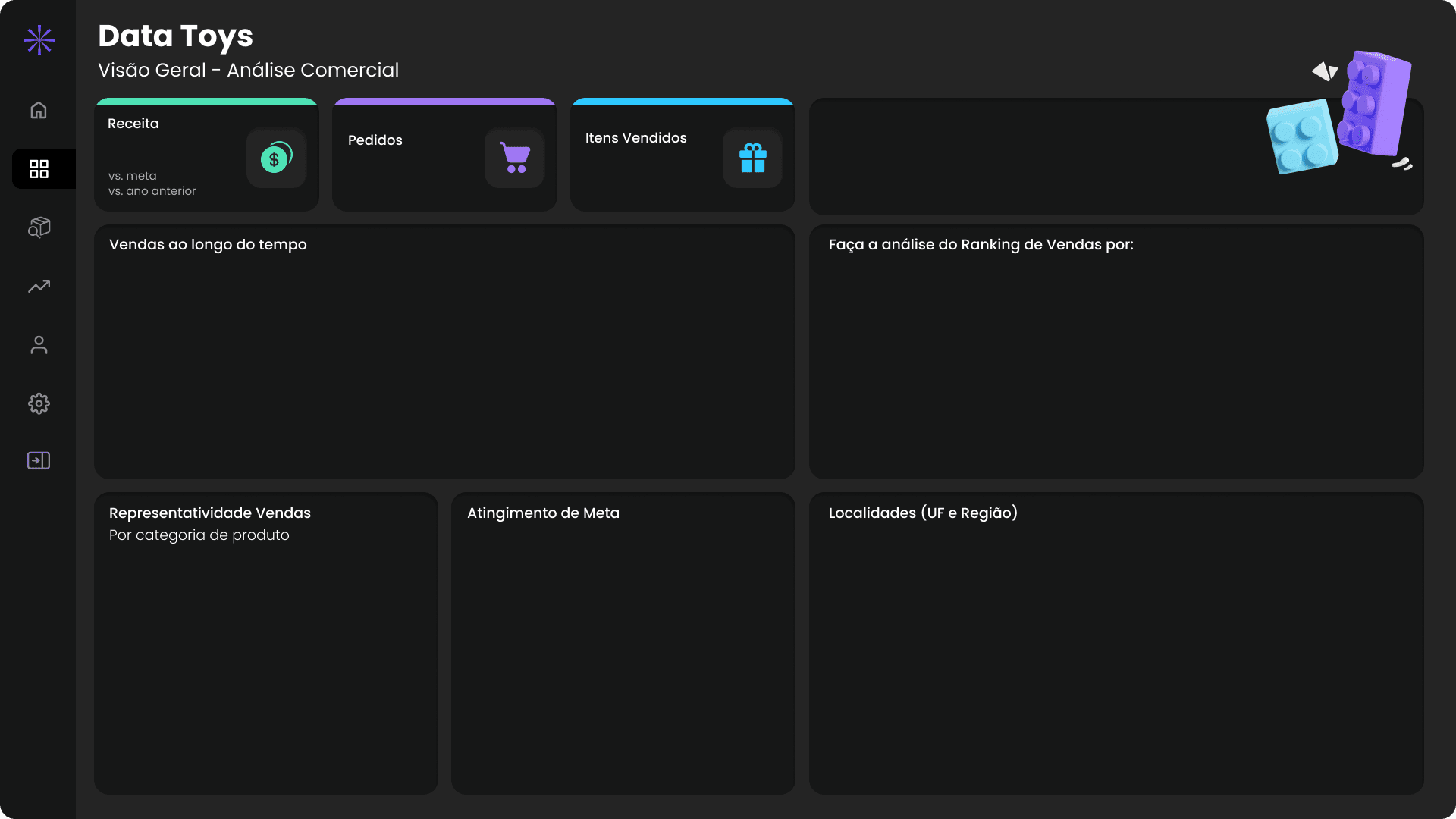

Neuronix Dashboard

Worked with brands Like

Why AI Agents

The Reality for Most Departments

The Problems

The Problems

Long response times frustrate citizens

Manual processes slow public service delivery

Case backlogs overwhelm limited staff

Knowledge is siloed across departments

Scaling services requires more budget and hires

The Outcome With AI Agents

The Outcome With AI Agents

Services run automatically, 24/7

Citizen requests are handled instantly

Cases are routed and prioritized in real time

Institutional knowledge is available on demand
Services scale without increasing headcount

You scale operations without scaling headcount

What We Mean by “AI Agent”

Not a chatbot. Not a script. A system that actually works.

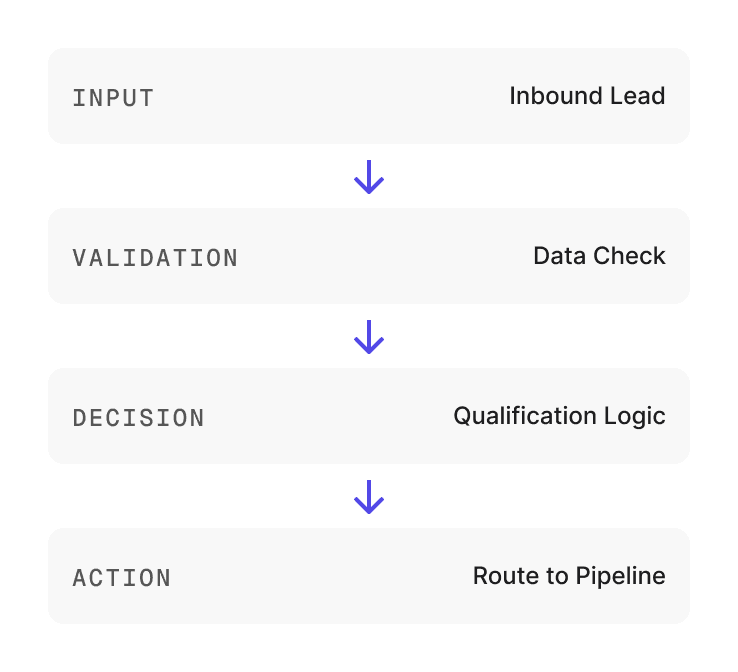
An AI agent is a software system designed to observe information, make decisions, and take action inside your business—automatically.

They don’t replace your team.

They remove repetitive work so your team can operate at a higher level.
Benefits

Benefits

More output &
fewer constraints

More output &
fewer constraints

Faster execution across teams

Agents coordinate workflows across tools and teams, removing delays caused by manual reviews, follow-ups, and handoffs.

Faster execution across teams

Agents coordinate workflows across tools and teams, removing delays caused by manual reviews, follow-ups, and handoffs.

Reduced operational costs

Automating repetitive operational tasks reduces overhead while maintaining accuracy and consistency.

Reduced operational costs

Automating repetitive operational tasks reduces overhead while maintaining accuracy and consistency.

Consistent performance, 24/7

Agents operate continuously without fatigue, ensuring critical workflows run reliably at all hours.

Consistent performance, 24/7

Agents operate continuously without fatigue, ensuring critical workflows run reliably at all hours.

Fewer manual handoffs

Workflows move automatically between systems and teams, eliminating bottlenecks.

Fewer manual handoffs

Workflows move automatically between systems and teams, eliminating bottlenecks.

Systems that scale with demand

Agents handle increased volume without additional headcount, adapting execution as workload grows.

Systems that scale with demand

Agents handle increased volume without additional headcount, adapting execution as workload grows.

Predictable decision-making

Agents follow defined logic and rules, producing outcomes that are consistent, explainable, and aligned with business processes.

Predictable decision-making

Agents follow defined logic and rules, producing outcomes that are consistent, explainable, and aligned with business processes.

01

Step 01

Discovery And Workflow Mapping

We analyze your processes, identify bottlenecks, and define what should be automated.
02

Step 02

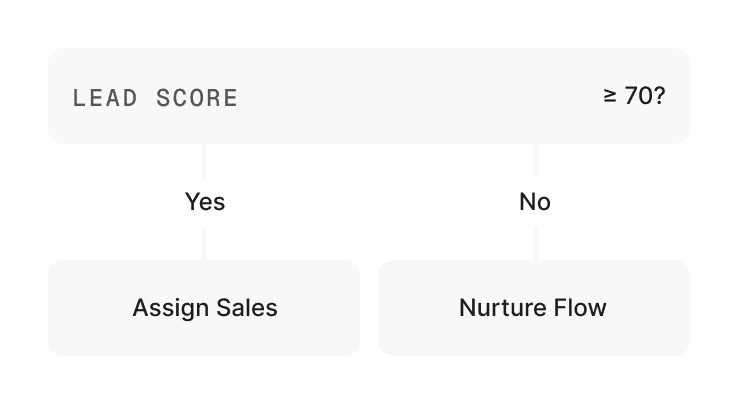
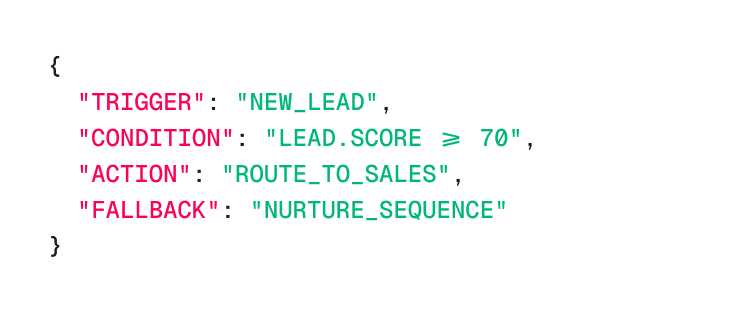
Agent Design And Architecture

We design the logic, decision-making rules, and integrations needed for your agent to work reliably.
03

Step 03

Development And Integration

The agent is built, tested, and connected to your existing tools and systems.
04

Step 04

Launch, Monitoring And Optimization

We deploy, monitor performance, and continuously improve results over time.

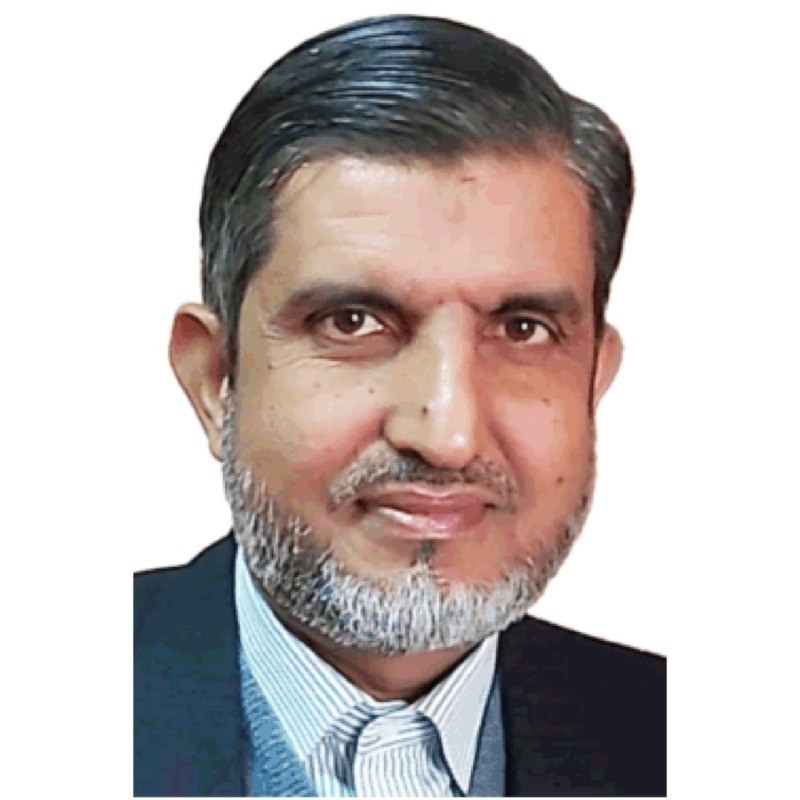
The People Behind Idaara AI

Mohsin Iftikhar

Co-Founder 🇦🇪

Full time Faculty Member in CIS at UAE Federal Government Institute (HCT). Specializing in telecommunications and network performance modeling, with expertise in QoS, traffic modeling, stochastic processes, and wireless network architectures. He combines academic leadership with applied consulting experience and has led large-scale, competitively funded research programs focused on resilient and efficient communication systems.

Mohsin Iftikhar

Co-Founder 🇦🇪

Full time Faculty Member in CIS at UAE Federal Government Institute (HCT). Specializing in telecommunications and network performance modeling, with expertise in QoS, traffic modeling, stochastic processes, and wireless network architectures. He combines academic leadership with applied consulting experience and has led large-scale, competitively funded research programs focused on resilient and efficient communication systems.

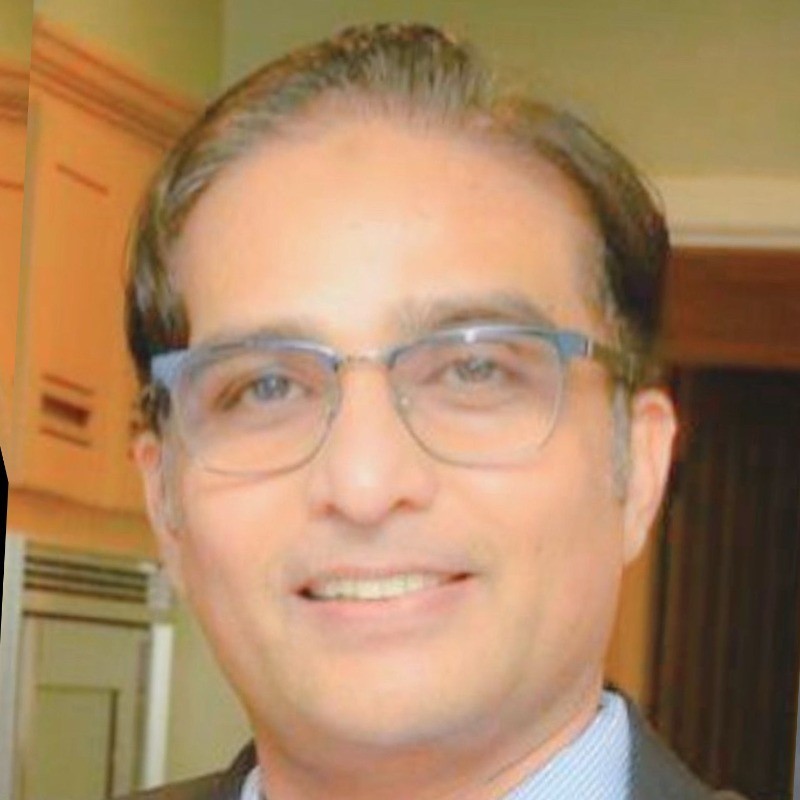
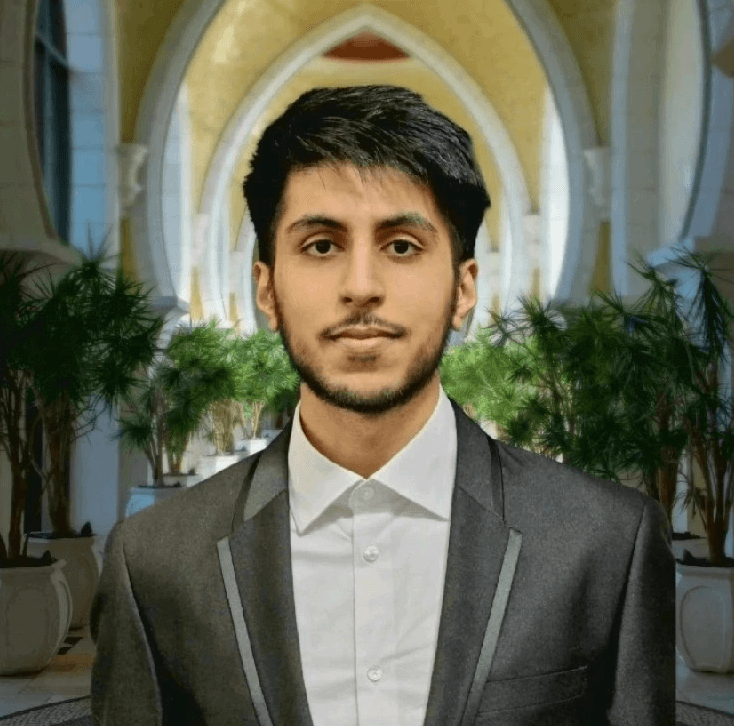
Mohsin Haq

Co-Founder 🇺🇸🇨🇦

IT Leader (CCIE) | Enterprise Solution Architect | IT Sales & Management (PMP) | Applications, Cloud, Data center & UCaaS, CCaaS Modernization | Governance, Risk & Compliance | Business Intelligence Agentic AI/ML

Sarib Samdani

Co-Founder 🇩🇪

AI Engineer and Founder of multiple tech companies

Sarib Samdani

Co-Founder 🇩🇪

AI Engineer and Founder of multiple tech companies

Advisory Board


At Idaara Al, every system we build is guided by leading experts in artificial intelligence.

Our Al Advisory Board consists of internationally recognized professors with decades of experience across academia, industry, and government advisory roles.

They ensure that every solution we deliver is robust, explainable, compliant, and future-proof.

Advisory Board


At Idaara Al, every system we build is guided by leading experts in artificial intelligence.

Our Al Advisory Board consists of internationally recognized professors with decades of experience across academia, industry, and government advisory roles.

They ensure that every solution we deliver is robust, explainable, compliant, and future-proof.

Advisory Board


At Idaara Al, every system we build is guided by leading experts in artificial intelligence.

Our Al Advisory Board consists of internationally recognized professors with decades of experience across academia, industry, and government advisory roles.

They ensure that every solution we deliver is robust, explainable, compliant, and future-proof.

Nidal Nasser

Vice President of Saudi Arabia and Professor at Alfaisal University 🇸🇦

Professor of Software Engineering specializing in Generative AI, artificial intelligence, and intelligent communications and computing systems. Dr. Nasser has an extensive research record with more than 230 journal papers, conference publications, and book chapters spanning Generative AI, machine learning, IoT, big data, blockchain, and advanced networking systems. His expertise is further reflected in his teaching and leadership in Generative AI and AI-related graduate and undergraduate programs. He has received multiple awards for research excellence, including IBM awards in artificial intelligence, big data, IoT, and blockchain, and he has been recognized by Stanford University among the “World’s Top 2% Scientists.” He has also served as Associate Editor for leading journals and as IEEE ComSoc Distinguished Lecturer for 2023–2024, highlighting his international impact in AI-driven and intelligent systems research.

Nidal Nasser

Vice President of Saudi Arabia and Professor at Alfaisal University 🇸🇦

Professor of Software Engineering specializing in Generative AI, artificial intelligence, and intelligent communications and computing systems. Dr. Nasser has an extensive research record with more than 230 journal papers, conference publications, and book chapters spanning Generative AI, machine learning, IoT, big data, blockchain, and advanced networking systems. His expertise is further reflected in his teaching and leadership in Generative AI and AI-related graduate and undergraduate programs. He has received multiple awards for research excellence, including IBM awards in artificial intelligence, big data, IoT, and blockchain, and he has been recognized by Stanford University among the “World’s Top 2% Scientists.” He has also served as Associate Editor for leading journals and as IEEE ComSoc Distinguished Lecturer for 2023–2024, highlighting his international impact in AI-driven and intelligent systems research.

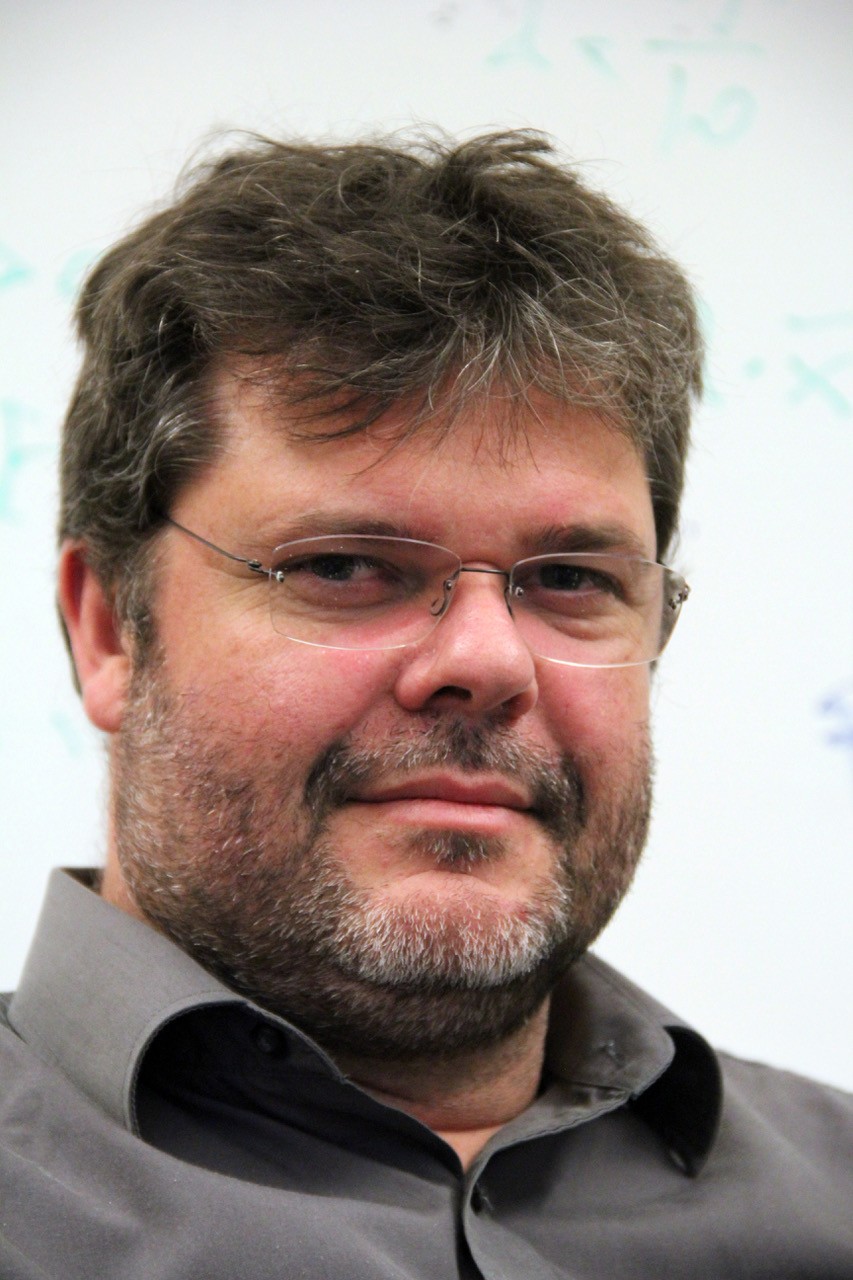
Prof. Bjorn Landfeldt

Lund University 🇸🇪

Professor of Network Architecture and Services specializing in wireless and mobile communication systems, with deep expertise in cellular networks, TCP/IP performance, QoS, and MAC-layer design. He combines extensive academic leadership with applied industry experience, holding multiple patents and contributing to the advancement of large-scale, high-performance communication infrastructures through research, standards, and editorial roles.

Prof. Bjorn Landfeldt

Lund University 🇸🇪

Professor of Network Architecture and Services specializing in wireless and mobile communication systems, with deep expertise in cellular networks, TCP/IP performance, QoS, and MAC-layer design. He combines extensive academic leadership with applied industry experience, holding multiple patents and contributing to the advancement of large-scale, high-performance communication infrastructures through research, standards, and editorial roles.

Prof. Muhammad Hussain

King Saud University 🇸🇦

Professor of Computer Science specializing in deep learning for image forensics, medical imaging, biometrics, and digital watermarking, with a strong focus on decision-critical and data-sensitive applications. He has authored over 150 peer-reviewed publications, holds patented work in applied AI, and has led and evaluated high-impact research programs through extensive editorial, review, and funding-agency roles.

Prof. Muhammad Hussain

King Saud University 🇸🇦

Professor of Computer Science specializing in deep learning for image forensics, medical imaging, biometrics, and digital watermarking, with a strong focus on decision-critical and data-sensitive applications. He has authored over 150 peer-reviewed publications, holds patented work in applied AI, and has led and evaluated high-impact research programs through extensive editorial, review, and funding-agency roles.

Prof. Mine Çağlar

Koç University 🇹🇷

Professor of Mathematics specializing in probability theory and stochastic processes, with a focus on path-dependent risk measures, extrema, and drawdowns in complex systems. Her work applies rigorous stochastic modeling to computer networks and financial systems, supporting mathematically grounded decision-making and risk assessment in high-uncertainty environments.

Prof. Mine Çağlar

Koç University 🇹🇷

Professor of Mathematics specializing in probability theory and stochastic processes, with a focus on path-dependent risk measures, extrema, and drawdowns in complex systems. Her work applies rigorous stochastic modeling to computer networks and financial systems, supporting mathematically grounded decision-making and risk assessment in high-uncertainty environments.

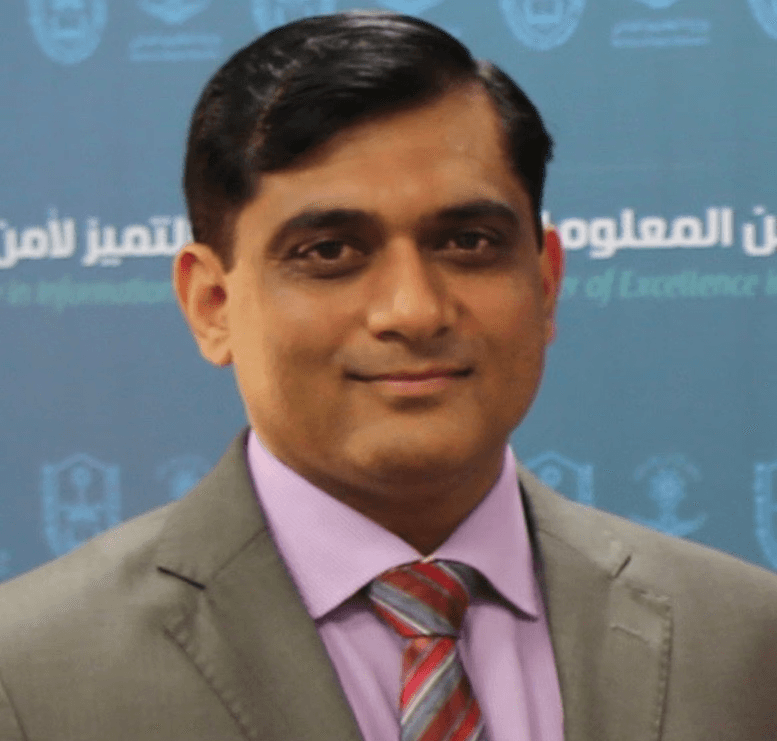
Prof. Farrukh Aslam Khan

King Saud University 🇸🇦

Professor of Cybersecurity at the Center of Excellence in Information Assurance (CoEIA), specializing in security analytics, big data–driven threat detection, and network security for large-scale systems. He has authored over 160 peer-reviewed publications, has been listed among the world’s top 2% scientists for four consecutive years, and serves in senior editorial and governance roles across leading IEEE and Springer journals.

Prof. Farrukh Aslam Khan

King Saud University 🇸🇦

Professor of Cybersecurity at the Center of Excellence in Information Assurance (CoEIA), specializing in security analytics, big data–driven threat detection, and network security for large-scale systems. He has authored over 160 peer-reviewed publications, has been listed among the world’s top 2% scientists for four consecutive years, and serves in senior editorial and governance roles across leading IEEE and Springer journals.

FAQ

FAQ

Frequently Asked Questions

Frequently Asked Questions

What exactly is an AI agent in this context?

An AI agent is an autonomous system designed to handle specific business tasks end-to-end. Unlike simple chatbots, AI agents can reason, take actions, integrate with tools, and follow defined workflows. In Agent OS, agents are built to operate reliably in real business environments, not as demos or experiments.

How is this different from a chatbot or no-code automation?
Can these agents integrate with our existing tools and systems?
How reliable and secure are AI agents in production?